Why Do Slot Machines Take Up So Much Floor Space?
If you've ever strolled through a casino, whether at the lively MrQ Casino online or a historic gaming hall, you might have wondered why slot machines seem to dominate so much floor space. Their presence is undeniable — rows upon rows create aisles that take up a surprising amount of room. But what drives these machines to demand so much turf on the casino floor? Is it just the game’s popularity, or are there deeper mechanical and design reasons behind their size?
The Early Mechanical Constraints That Shaped Slot Machine Size
When slot machines first debuted in the late 19th and early 20th centuries, their technology was purely mechanical. These early slot cabinets housed complex gear systems, levers, and reels, all jumbled inside wood-and-metal cases that had to be strong and spacious enough to contain the mechanical innards. The California Office of Historic Preservation recognizes these early machines as important artifacts, highlighting their bulky wooden cabinets that look almost like small arcade game booths by today’s standards.
Unlike a smartphone or even a desktop monitor, which rely on electronic screens and compact circuit boards, early slot machines relied on physical movement — spinning reels, coin drops, payout chutes — all of which took considerable space inside the cabinet. This mechanical basis set a precedent for the footprint of slot machines going forward.
Beyond the Reel Window: Cabinet Footprint vs. Play Area
Many players tend to focus on the visible part of the slot — often the reel window or screen — but these represent just a fraction of the actual cabinet size. The slot machine cabinet encompasses:
- Hardware Casing: Protects the mechanical or electronic components.
- Internal Components: Reels, boards, wiring, lighting.
- Seating Space: Some machines have ergonomically designed seats or space to accommodate player comfort—this adds to the overall space footprint.
- Controls: Levers, buttons, bill validators, coin slots, and ticket kiosks.
Consider the cabinet size like a desktop monitor set on a large stand that isn’t just about screen size. The casing, base, and controls all need room. Similarly, the slot machine’s physical housing swells beyond just what you see on the front.
How Video Slots Changed Machine Size – Before Mobile Gaming Changed Everything
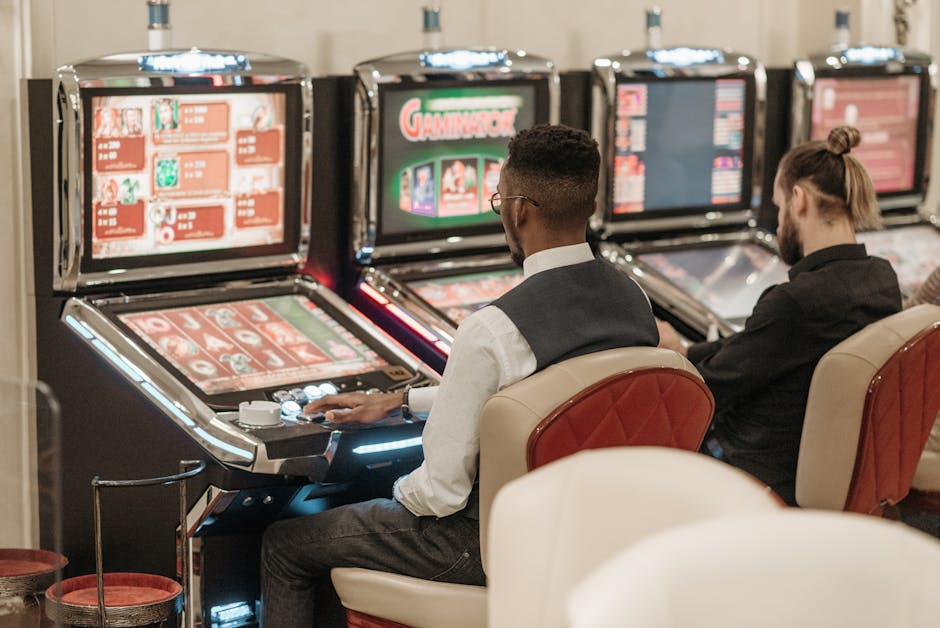
With the arrival of video slots, the visual and interactive possibilities exploded. Instead of spinning reels behind glass, video slots use LCD and LED screens to display vibrant animations, bonus rounds, and interactive features. Initially, many casinos embraced larger, flashier cabinets to showcase these new visuals — bigger screens, more lighting effects, and room for multiple screens or touch panels.
This trend led to bigger footprint machines on the casino floor that were almost like mini entertainment booths. Players sometimes needed extra slot machine seating space to fully enjoy the often immersive gaming experience. The size was justified by the sensation and player engagement these machines delivered.
However, the rise of gaming on handheld devices — smartphone slots being a prime example — began shifting player expectations toward compactness and screen clarity within a small form factor. This trend has somewhat influenced casino floor designs, making newer machines more space-efficient compared to the earlier oversized video slots. Yet the need for sufficient slot aisle clearance and player comfort remains a factor.
Diagonal Screen Size and Aspect Ratio: Why Size Claims Can Be Misleading
The diagonal measurement of a screen (common in TVs, monitors, smartphones, and slot machine displays) is often cited as the primary size metric, but it doesn’t tell the whole story. Diagonal inches reveal the length of the screen’s diagonal edge but say nothing about the screen’s height or width individually — both mobile slots control placement of which affect user interface and readability.
For example, two slot machines might both claim a “27-inch screen,” but one could have a traditional 4:3 aspect ratio (more square) and the other a widescreen 16:9 format (much wider). The wider screen provides a larger horizontal area for buttons, pay tables, animations, and touch controls, which affects how comfortably a player can interact with them. This is much like comparing a smartphone screen to a desktop monitor; a smartphone’s diagonal might be 6.5 inches but with a very different shape and spacing than a 24-inch desktop monitor.
Casino designers must account for these subtle but critical differences to ensure text is legible and controls fit within reach comfortably. The diagonal alone doesn’t guarantee a machine is compact or “smaller” in effective size.
Practical Implications for Casino Floor Layout and Player Experience
The footprint of slot machines affects more than just the immediate operator who places them; it shapes the entire experience both for players and operators:
- Slot Machine Seating Space: Rows of machines often come with stools or chairs, requiring additional clearance. Crowding players too close reduces comfort and can negatively impact session length.
- Slot Aisle Clearance: Adequate space between rows allows patrons and staff to move freely, maintain safety, and comply with accessibility regulations.
- Casino Floor Layout: Because slots can’t be shrunk indefinitely, casinos must balance how many machines fit in a given space with providing a comfortable and inviting atmosphere.
At MrQ Casino, which operates primarily online, these physical constraints are obviously non-issues. Yet traditional casinos must plan carefully, recognizing the mechanical and ergonomic factors that shaped machine sizes from their earliest days to an age of touchscreen interfaces.
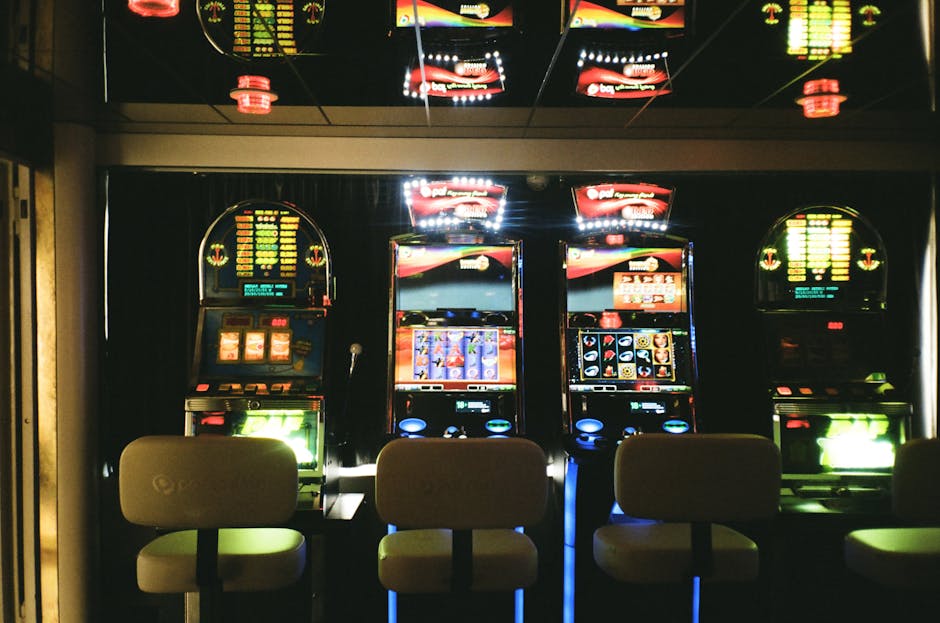
Table: Comparing Slot Machine Size Factors to Everyday Objects
Factor Description Everyday Object Analogy Cabinet Footprint Physical depth & width beyond screen window Like the footprint of a small coach (bus) vs. a sedan car Screen Size Diagonal inches with differing aspect ratios Smartphone screen vs. desktop monitor Player Seating Area Space for seat and legroom Like a single office chair with desk clearance Aisle Clearance Walk ways between rows of machines Hallway width allowing two coaches or cars to passFinal Thoughts: Understanding Slot Machine Floor Space Beyond the Surface
Slot machines are more than just flashy games; they are carefully engineered pieces of casino hardware shaped by decades of mechanical constraints, ergonomic design, and evolving technology. Their size is influenced by legacy mechanical components, cabinet and seating footprints, and the evolving nature of video displays — all of which impact casino floor layouts and player experience.
Next time you find yourself navigating slot aisles or playing on a handheld device, remember that the visible screen size is just the start of the story. The real spatial demands of slot machines come down to housing their inner mechanics, providing player comfort, and maintaining clearances for safety and accessibility. This layered complexity is what makes the slot machine such a fascinating and enduring feature of casinos worldwide.
Thanks for reading, and if you’re curious about how casino floor design continues to evolve (especially with online players now joining the mix), stay tuned for more insights!