Why do bookmakers push free bets so hard in 2026?
Free bets are everywhere in sports betting promos: welcome offers, acca boosts, money-back specials and occasional rewards for existing customers. In Ireland, where bookmakers compete for attention across football, racing, rugby and other sports, they are a familiar way to encourage people to open an account or place another bet.
But “free bet” is a marketing label, not a promise of risk-free profit. The offer may arrive as a token rather than cash, the stake is usually not returned, and you may need to claim it yourself before it expires. Minimum odds, eligible markets and refund conditions can all influence what you can actually bet on.
Here's what kills me: so why do bookmakers push these offers so hard in 2026? the short answer is that they help bookmakers attract customers in a competitive market, while the terms give the operator control over how and when the promotion is used. Understanding those terms makes it easier to compare offers—and to decide whether an offer is worth your attention at all.
What a free bet actually is
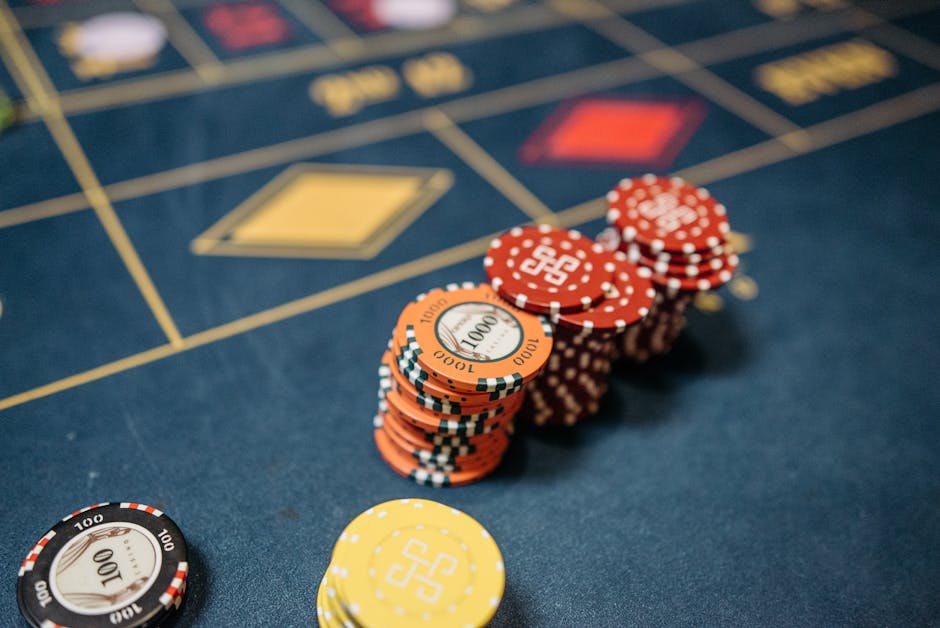
A free bet is normally a promotional stake that can be placed on an eligible selection without using the same amount from your cash balance. It is commonly credited as a token, such as a €10 free-bet token, rather than added to your account as €10 of withdrawable cash.
The important detail is that the free-bet stake is usually not returned as part of your winnings. If you use a €10 token at odds of 4.00 and the selection wins, the potential return is generally calculated on the profit, not on the €10 promotional stake. At those odds, that means €30 in winnings, rather than €40. The exact settlement rules depend on the bookmaker’s terms.. Pretty simple.
That difference is why a free bet should not be treated as cash in your account. It can have value if you use it on an eligible bet and the selection wins, but it may expire unused, be restricted to certain markets or produce no return if the bet loses.
Tokens may need to be claimed manually
Some offers credit a token automatically after you meet the conditions. Others require you to press a claim button, enter a promotional code or opt in before placing a qualifying bet. A token can also appear in a separate “My offers” or “Free bets” section instead of your main balance.
Check the account display and the promotion rules before assuming the offer is ready to use. In particular, confirm whether the qualifying bet must settle before the token is issued and whether you have to claim it within a specified period.
Why bookmakers offer them
Customer acquisition free bets are a straightforward way to make an account-opening offer look tangible. A bookmaker can advertise a headline amount, while the qualifying deposit, odds threshold, eligible sports and expiry date determine how the offer works in practice.
That matters in the bookmaker competition Ireland has seen across established operators and online brands. Customers can compare prices, markets and promotions quickly, so a visible welcome offer helps a bookmaker stand out. It can also encourage a customer to try the app, explore different sports or return for a major fixture.
Promotions are also a form of marketing with measurable conditions. A bookmaker can set rules around who qualifies, which bets count and how long a reward is available. This allows it to budget for the campaign and encourage particular types of activity, such as a qualifying bet on a selected sport or a multi-selection bet.
For customers, that does not automatically make a promotion good or bad. It means the headline needs to be read alongside the terms. A smaller, clear offer can be more useful than a larger one with restrictive odds, narrow markets or a short claim window.
Matched deposit offers versus no-deposit offers
Two common welcome-promotion formats are matched deposit offers and no-deposit offers. They may both advertise free bets, but the route to receiving them is different.
Matched deposit offers
A matched deposit offer usually requires you to deposit money and place a qualifying bet. The bookmaker may then award free-bet tokens based on the deposit, the qualifying stake or both. “Matched” does not always mean that every euro deposited is matched, and the advertised maximum may require a much larger deposit than a casual customer intended to make.
For example, suppose an offer requires a €10 deposit and a €10 qualifying bet at minimum odds of 2.00, then awards a €10 free-bet token. You have put €10 of your own money into the account and risked a qualifying stake. The token is a separate promotional benefit; it is not a refund of your deposit, and any winnings from it will normally exclude the token stake.
Before depositing, check whether the qualifying bet must be a single or can be an accumulator, whether it must settle, and what happens if it is void or cashed out. Also check whether depositing more changes the reward or simply increases the amount of your own money involved.
No-deposit offers
A no-deposit offer may provide a small free-bet token without requiring an initial deposit, but it is not necessarily unconditional. The offer could require registration, identity checks, an opt-in, a promotional code or a qualifying action. The token may also have restrictive odds or market rules.
For instance, a €5 no-deposit token used at odds of 3.00 might return €10 in winnings if successful, because the €5 stake is not returned. That potential return is still subject to the selection winning and the offer’s settlement rules. If the token expires before you use it, its practical value is zero.
Offer type What you may need to do What to check Matched deposit Deposit and place a qualifying bet Deposit limits, qualifying odds, eligible bet types and reward calculation No-deposit Register, opt in or complete another stated action Claim process, token expiry, minimum odds and withdrawal conditions Money-back special Place a specified bet that meets the promotion rules What counts as a loss, refund form, cap and settlement timeMoney-back specials: what triggers a refund?
“Money back” can sound simple, but the refund may not be cash. In many promotions, the bookmaker returns a losing stake as a free-bet token, up to a stated maximum. I remember a project where made a mistake that cost them thousands.. The special may apply only to selected fixtures, markets or bet types.
Read the trigger carefully. A promotion might refund a qualifying first goalscorer bet if the player does not score, or return a stake if a team loses by a specified margin. Another might apply only when a bet is settled as a straightforward loss, excluding a void, cash-out or partial cash-out. These are examples of possible rules, not universal definitions; each offer sets its own conditions.
Consider a €10 qualifying bet covered by a “money back as a free bet” offer. If the selection loses and all conditions are met, the sportsnewsireland bookmaker might credit a €10 token. That does not mean you receive €10 in cash. If you later use the token and it wins at odds of 3.00, the typical winnings calculation would exclude the token stake, giving €20 in winnings rather than €30. Always confirm the particular settlement terms.
Check the maximum refund as well. If the promotion says “up to €10”, a €25 stake does not necessarily qualify for a €25 refund. The offer may also restrict the refund to one bet per customer or issue it only after the event has fully settled.
Minimum odds rules shape bet choice
A minimum-odds rule requires a qualifying bet to be placed at or above a stated price. It is intended to prevent customers from qualifying with a very short-priced selection, but it can also steer the choice of bet. If the threshold is 2.00, for example, a selection at 1.50 will not qualify, even if it is a reasonable choice on its own merits.
This can nudge a customer towards a less likely outcome, a higher-risk market or an accumulator. The right response is not to choose a bet simply because it meets the threshold. Check the odds available, the market rules and whether the selection is one you would have considered without the promotion.
Odds can also move between the time you read an offer and the time you place a bet. A selection that was above the minimum might fall below it, or a market may close. If qualification depends on the odds at the moment the bet is accepted, make sure the bet slip shows the required price before confirming.
Expiry windows and fixture timing
Free-bet tokens often have an expiry window. That could be a set number of days after issue, a deadline linked to a particular event or a fixed time shown in the promotion. “Valid this weekend” is less useful than a precise date and time, so check the token details in your account.

Always compare the expiry with the actual fixture schedule. Kick-off times can change, events can be postponed, and a market may be unavailable before the token expires. A token due to expire on Saturday evening may not help if the fixture you planned to bet on has moved to Sunday—or if the relevant market is not offered in time.
Also distinguish between the deadline to place the token and the time a bet must settle. The terms may require only that the bet is placed before expiry, but some offers impose additional rules. Do not assume: check the wording and contact the bookmaker if an important condition is unclear.
A practical checklist before accepting an offer
- Is it a token or cash? Find out whether the reward can be withdrawn or must be staked.
- Is the stake returned? For free bets, it usually is not. Check the settlement example in the terms.
- Do you need to claim it? Look for an opt-in button, promotional code or manual claim step.
- What qualifies? Check the minimum odds, bet type, market, sport and any exclusions.
- What triggers a refund? Confirm whether a losing bet is refunded as cash or as another token, and note the cap.
- When does it expire? Check the exact deadline against the fixture schedule and likely market availability.
- Is the operator properly licensed? Use a bookmaker authorised to serve customers in Ireland and avoid being drawn in by flashy offers from unlicensed offshore sites.
Are free bets worth taking?
They can be worth considering when the terms are clear, the qualifying bet fits your normal limits and you understand that the stake may not be returned. They are less appealing when the offer requires a larger deposit than you planned, pushes you towards odds you would not otherwise take, or leaves little time to use the token.
Compare the actual conditions rather than the headline number. A €5 token with a simple claim process and reasonable expiry may be easier to use than a larger offer tied to complicated qualifying rules. But neither should be treated as guaranteed value, and a promotion is not a reason to increase your stake or chase losses.
The bottom line
Bookmakers push free bets because promotions help them compete for customers, especially in a crowded Irish market. For operators, customer acquisition free bets are a marketing tool with defined costs and conditions. For punters, they are a conditional offer—not free money.
Know whether you are receiving a token or cash, remember that the free-bet stake is usually not returned, and check the odds threshold, refund trigger, manual claim steps and expiry. If the terms do not make sense, or the offer encourages you to bet more than you intended, it is perfectly reasonable to leave it alone.
Only bet if you are of legal age and can afford to lose the money you stake. Set limits, take breaks and seek support if gambling stops feeling like entertainment.