What Should I Do If Mobile Reception Dies and I Need Directions?
There's nothing quite as unnerving for a driver as suddenly losing mobile reception in the middle of a trip. Whether you're navigating backroads, exploring remote regions, or just passing through an area with poor coverage, the loss of your smartphone’s GPS and apps can leave you feeling stranded. Yet, with a bit of foresight and practical planning, you can stay firmly in control of your journey.
Driving Comes First, Casino Comes After Parking
If you're traveling to a destination like a casino or any venue where parking and timing matter, remember a simple mantra: driving comes first, casino comes after parking. This might seem obvious, but many travelers get so intent on their final goal (like winning big in a casino) that they neglect planning for the important, immediate needs—such as safely finding a parking spot.
Here’s why it matters:
- Safe Navigation: Your priority must be to arrive safely and park your vehicle securely before you ramp up anticipation about your destination.
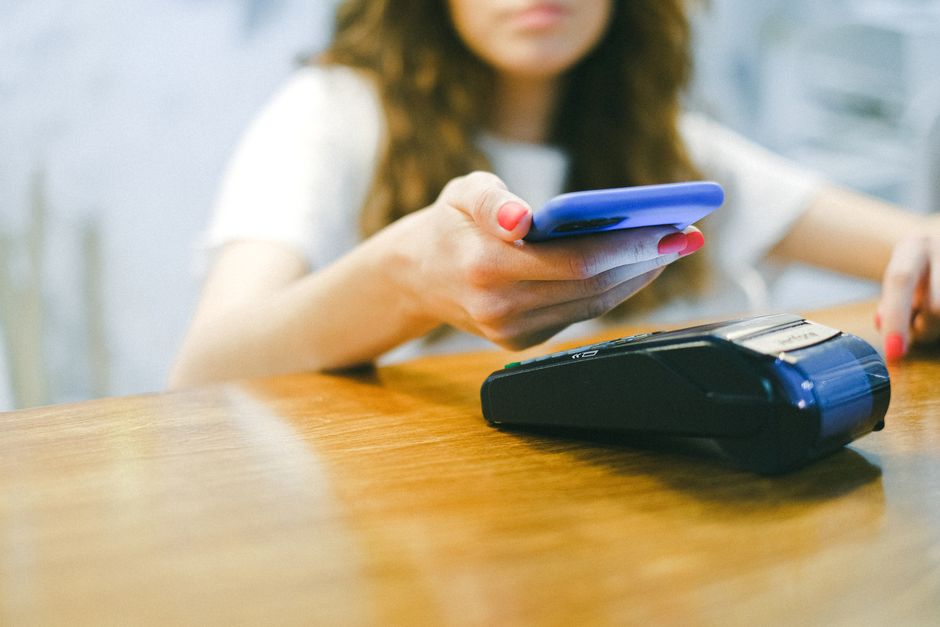
- Parking App Reliability: If your parking requires payment via an app, losing mobile signal could impact your ability to pay or extend parking.
- Cash vs. App Payments: Have contingency payment methods ready, such as coins or cards, for parking in case your apps go offline.
Realistic Daily Drive Planning and Buffer Time
Want to know something interesting? road trips and long drives shouldn’t be rushed. Unexpected delays like reception loss, road closures, or simple rest breaks can add up. To keep stress levels low and avoid poor decisions, planning realistic daily driving distances with buffer time is crucial.
How to Plan Smart
- Assess Your Route: Use reliable mapping tools to determine your drive’s duration and distance.
- Add Buffer Time: Include at least 15-30 minutes per driving block for unforeseen stops or slow-downs.
- Plan Overnight Stops: Strategically place overnight stays that coincide with routes known to have good mobile coverage and amenities.
- Consider Terrain and Weather: Mountainous or rural routes may extend travel time and reduce reception.
Offline Directions: Download Maps Ahead
Nothing beats preparation, especially when it comes to navigation. Losing mobile reception doesn’t mean you lose your way—if you planned for offline directions in advance.
Several apps and and services allow you to download maps and directions for offline use. Here are key points to remember:
- Download Before You Lose Signal: Prior to setting out into remote or low-coverage areas, download your route or regional maps directly onto your device.
- Use Reliable Apps: Google Maps, Maps.me, and HERE WeGo are popular choices that offer offline maps.
- Bookmark Important Stops: Save locations such as fuel stations, restaurants, parking areas, and your final destination on the offline map.
This simple step prevents panic and keeps you on track when your mobile network decides not to cooperate.
theweeklydriver.comRemote Road Planning
Traveling through less populated, remote areas requires extra preparation beyond offline maps. Lack of mobile service is common, and alternates must be in place.
- Carry Physical Maps: It might seem old-fashioned, but having a printed roadmap or state highway map is a lifesaver.
- Know Your Route: Study your route before departure so you can recognize landmarks or road signs if your GPS fails.
- Emergency Contacts: Have important numbers saved offline and written down, including roadside assistance, local police, and accommodations.
- Communicate Your Plans: Let a trusted person know your intended route and expected arrival times.
Separate Travel Funds from Gambling Funds
When visiting destinations like casinos as part of a recreational trip, it is wise to separate your travel and gambling budgets. This method helps ensure you can meet essential expenses regardless of winnings or losses.
Here’s why and how:
- Stay Financially Organized: Separate budgeting means your fuel, lodging, and food funds are protected and not depleted by gambling activities.
- Use Different Payment Methods: For example, keep a primary debit card or cash for travel-related spending and a separate prepaid card or cash for gambling.
- Monitor Using Banking Apps: Your banking apps help you keep track of spending but be prepared if these apps go offline by carrying backup funds.
Emergency Reserve Planning
Emergencies are unpredictable. Good drivers and planners always keep an emergency reserve for unexpected costs or difficulties arising from losing mobile reception.
- Cash Reserve: Keep enough cash on hand to cover unplanned expenses such as taxi rides, parking fees, or roadside help.
- Backup Phone or Power Bank: Carry a secondary phone or fully charged power bank. Consider a basic phone with a SIM plan that has better coverage.
- Offline Payment Apps: Some parking payment apps allow you to preload funds and pay without continuous reception; check ahead if your parking location supports this.
- Emergency Kit: Include essentials such as flashlight, first-aid, water, and snacks in your vehicle.
How Banking and Parking Payment Apps Play a Role
Modern travel increasingly depends on apps—not only for navigation but also for payments. Banking apps and parking payment tools are convenient but come with vulnerabilities if your reception drops.
Banking Apps
Your banking app tracks your spending and allows quick payments, but consider these tips:

- Download the Latest Transactions: Update your app when you have a connection so you can view recent balances offline.
- Set Up Alerts: Have low-balance or fraud alerts sent via SMS which might still work in patchy reception areas.
- Carry a Backup Payment: Always have a physical card or some cash outside of your phone’s wallet function.
Parking Payment Apps
Paying for parking via apps saves time but can catch you off guard in dead zones.
- Preload Parking Credits: Many apps allow you to add funds or purchase parking time ahead of time.
- Save Your Parking Spot Details: Note meter numbers or parking zone identifiers physically or digitally before losing signal.
- Backup Payment Method: Have coins or cards ready to pay at parking meters as a fail-safe.
Summary Table: Preparing for Lost Mobile Reception
Category Preparatory Steps Backup Strategies Navigation Download offline maps; plan your route thoroughly; carry physical maps Bookmark essential locations; learn route landmarks; keep printed directions Budgeting Separate travel/gambling funds; keep track using banking apps Carry cash reserves; have backup cards; update banking apps before travel Parking Use parking apps with preload options; save zone info Carry coins or card for manual payment; know meter locations Emergency Keep an emergency kit; have secondary phone/power bank Inform contacts of your itinerary; update emergency numbers offline Time Management Plan realistic daily distances; include buffer time for delays Adjust plans proactively; prioritize resting over rushingFinal Thoughts
Driving without reliable mobile reception is a challenge, but it’s entirely manageable with the right strategies. Prioritizing safety, planning realistically, and preparing for offline navigation ensure that your journey remains smooth and stress-free—even if your phone loses signal. Remember: your trip and vehicle’s safety come first, with fun activities like gambling or entertainment coming after securing your parking and arrival. Use technology when available, but never depend on it exclusively—sometimes old-school preparation makes the best modern backup.
Drive safe and happy travels!