What Changed from Paper Bingo Cards to Digital Bingo Cards?
Bingo is one of those timeless games that most of us recognize instantly. Whether it’s the happy chatter in a hall or the rhythmic calling of numbers, few games evoke such a shared ritual and thrill. At the heart of this experience lies something deceptively simple: the bingo card. Yet, over the past few decades, the humble bingo ticket has undergone a remarkable transformation — from paper cards to slick digital bingo cards.
In this post, we’ll explore the evolution from paper to digital. We’ll focus on the heart of UK-style 90-ball bingo (the classic game with numbers 1 to 90, three lines, and a full 10p bingo tickets house). Along the way, we’ll also mention some key players like Measura Logic, MrQ, and even how historic organizations like Historic England have documented bingo’s cultural journey. Plus, we’ll break down the impact of mobile devices, desktop computers, and groundbreaking tech innovations such as the Auto-dabber and automatic winner recognition.
Basics of 90-Ball Bingo: Setting the Stage
Before diving into the technological shifts, let’s remind ourselves what 90-ball bingo entails. This variant defines much of the UK bingo experience.
- Numbers 1-90: The caller draws balls numbered from 1 to 90.
- The card format: Each ticket has 3 rows and 9 columns, containing 15 random numbers.
- Winning stages: A line (marking all 5 numbers on any one row) wins first, two lines next, and the full house (marking all 15 numbers) takes the top prize.
This simple format has created a ritual of anticipation and communal excitement, whether shouting “Bingo!” in a hall or waiting for auto-wins online.
Paper Tickets: The Original Ritual and Its 'Job'
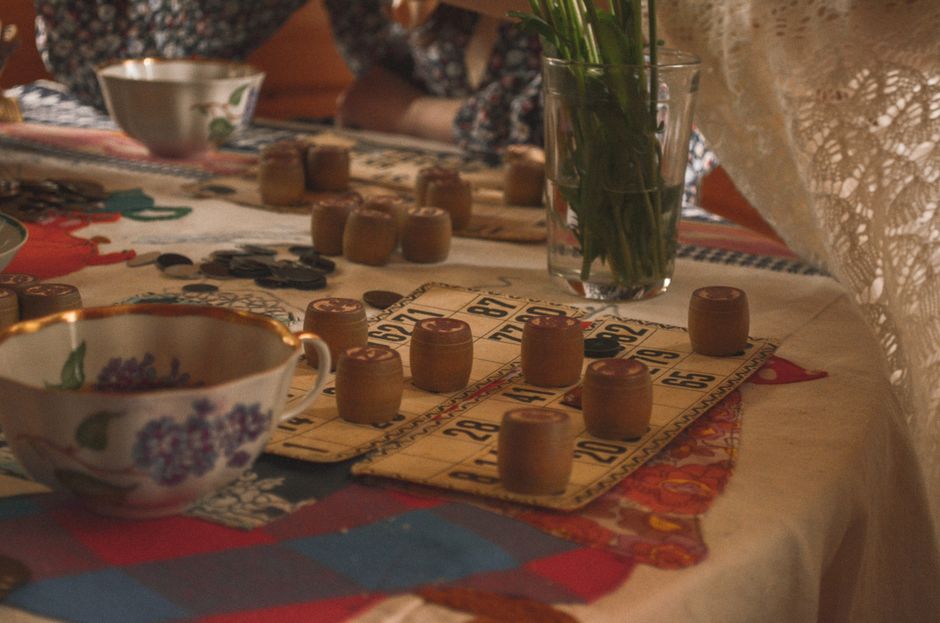
Paper tickets were the original battlefield. The job of the paper ticket was straightforward: store your numbers, track the game physically, and provide a tangible souvenir from the session.
The ritual was hands-on: players marked numbers with a pen or the classic dauber — that bright sponge that stains fingers and tables alike. We can call the dauber the “manual marker” job, replacing what simple pencil marks once did. In bingo halls, callers shouted numbers, and players checked their paper cards, crossing off numbers as they went. When players recognized they’d completed a line or full house, the communal loud cry of “Bingo!” echoed around the room.
Paper tickets made participation tactile and social. The ticket was unique, physical proof you were in the game. For many, the joy was as much about holding the ticket and dabber as it was about the potential prize.
Ticket prices could be surprisingly affordable: for instance, the famous Pinch a Penny lottery offered tickets at as little as 1p, making bingo an accessible pastime for all sorts of people.
The Dawn of Digital Bingo Cards: Technology’s New Job
Fast-forward to today, digital bingo cards have changed the player’s “job” from manual marker to passive participant—and that’s no small change. Digital cards replicate the look of the traditional paper ticket but add layers of tech-driven convenience and automation.
Players now interact with their tickets on mobile devices or desktop computers, often via platforms run by companies like MrQ. These platforms handle everything, from dealing tickets to number calls, and even auto-marking cards.
Mobile Devices and Desktop Computers: The New Bingo Table
With the rise of smartphones and desktops, digital bingo cards can be accessed anytime and anywhere. What used to require a trip to a hall or local club can now be done in your pajamas.
- Mobile devices allow for quick, on-the-go sessions. The interface often uses touch-friendly buttons and clear digital markers.
- Desktop computers offer a wider view and easy multitasking, perfect for dedicated bingo sessions or festive communal games with friends.
This shift to digital means that the physical paper ticket — and the tactile joy of the dabber — is replaced by simple screen tapping or clicking. While some players mourn this loss, the digital convenience is undeniable.
Introducing the Auto-Dabber and Automatic Winner Recognition
One of the most significant breakthroughs in digital bingo cards is the integration of the Auto-dabber. The Auto-dabber’s job is to automatically mark off numbers as they are called, removing the chance of human error or missed spots.
Related to this is automatic winner recognition. No longer does a player have to shout to alert the caller or staff — the system monitors cards in real time and alerts the game host or the player when a win occurs.
This changes the feel of the game significantly: the instant automatic notification removes the suspense of spotting your own wins but speeds things up tremendously, supporting 24/7 online rooms with rapid-fire sessions.
From Scheduled Sessions to 24/7 Online Rooms
The switch from paper to digital also enabled another shift: the move from primarily scheduled in-person sessions to online rooms that run at all hours.
- Scheduled sessions: Traditional bingo halls had fixed game times, often clustered in the evenings or weekends. This scheduling created a ritualistic anticipation and social glue for communities.
- 24/7 online bingo rooms: Digital cards and automated calling allow online sites to run bingo sessions every minute of every day. Brands like MrQ capitalize on this continuous availability, allowing players to drop in any time.
While 24/7 access offers unmatched convenience, it also shifts the social experience from communal gatherings to a more solitary digital interface — or somewhere in-between, with chatrooms and online communities focusing on social connections.
Who’s Behind These Digital Innovations?
Companies like Measura Logic have contributed by developing analytics and user experience tools that help operators optimize online bingo environments, ensuring players get engaging and fair experiences.
MrQ represents a flagship online bingo platform that leverages these innovations to attract a wide digital audience with paperless, streamlined card systems and user-friendly interfaces on mobile and desktop devices.
Interestingly, organizations such as Historic England have documented bingo’s cultural significance through the years, preserving records of paper-based halls and the social fabric bingo created — a history now swiftly evolving in the digital age.
Comparing Paper Tickets and Digital Bingo Cards: The Tech and Feel Table
Aspect Paper Tickets Digital Bingo Cards Physicality Real card in hand; manual marking using dauber or pen Virtual card on screen; automatically marked or via click/tap Interaction Hands-on, tactile experience Passive or semi-active; less tactile, more visual Winner Recognition Player shouts "Bingo!" to alert caller Automatic system detects wins instantly Game Access Venue-based sessions; fixed schedules Online rooms running 24/7, anytime play Cost Example Tickets as low as 1p (e.g. Pinch a Penny) Similar pricing; often multiple cards at once Atmosphere Social, communal, ritualistic Mixed; online chatrooms, but less physical presenceDesign Changes that Changed the Ritual
If I had to point out the exact moment the ritual of playing bingo changed forever, it’s when the digital Auto-dabber kicked in. I vividly remember the shift in online rooms - no longer shouting "Bingo!" to claim a win felt like losing a part of the traditional game’s communal rhythm.
The caller’s role, too, transformed from human entertainer to automated voice or computer script on many digital platforms. The "job" of caller was partly handed over to algorithms, ensuring smoother and faster game flow, but at the cost of that human spark.
Conclusion: Paper or Digital — What’s Your Game?
The shift from paper bingo cards to digital cards is a story of convenience, accessibility, and technological innovation. While the paper ticket brought tactile joy and community energy, digital cards have introduced speed, automation, and anytime access.
Companies like MrQ and tech developers such as Measura Logic continue pushing boundaries, while organizations like Historic England remind us to treasure bingo’s rich cultural roots as we embrace the future.
Whether you prefer clutching a 1p paper ticket from Pinch a Penny or tapping a digital card on your phone, the essence of 90-ball bingo—with its simple numbers and thrilling lines and full houses—remains as compelling as ever.