Crypto Casino vs Traditional Online Casino – What Actually Changes?
Online gambling has grown exponentially over the past decade, with hundreds of platforms serving players worldwide. Two major categories have emerged: the classic fiat-based online casinos like MrQ, where you deposit pounds or dollars, and newer crypto casinos that accept Bitcoin, Ethereum, or stablecoins. While many headlines hype cryptocurrency as "faster" or "more anonymous," the reality is more nuanced—especially when you look closely at the payment flows, fees, and risks involved.
At DimensionsPoint.com, we believe it’s critical to understand what truly shifts for players—and what stays the same. To help you navigate the jungle of payment options and casino choice, this post breaks down the differences between crypto casinos and fiat casinos like MrQ. We’ll cover deposits, withdrawals, wallet management, fee structures, and even the impact of currency volatility versus stability.

1. Deposit and Withdrawal: Fiat vs Crypto Payment Flows
Fiat Casinos (like MrQ)
With a traditional online casino such as MrQ, deposits and withdrawals are typically done through familiar payment methods:
- Bank transfers and debit/credit cards
- PayPal or other centralized payment services
- Instant banking services like Pay4Fun or Faster Payments (UK-specific)
Here’s what happens behind the scenes: when you deposit, you send GBP from your bank account to the casino’s merchant account. Withdrawals involve the reverse route. All transactions are handled through regulated payment rails, with consumer protections ensured by institutions like the Bank of England and payment providers.
Crypto Casinos
In contrast, crypto casinos don’t take pounds or dollars directly. Instead, players use cryptocurrency wallets—software or hardware wallets where exchange identity checks you control your private keys—to send Bitcoin, Ethereum, or stablecoins to the casino’s wallet address.
This raises a few practical points:
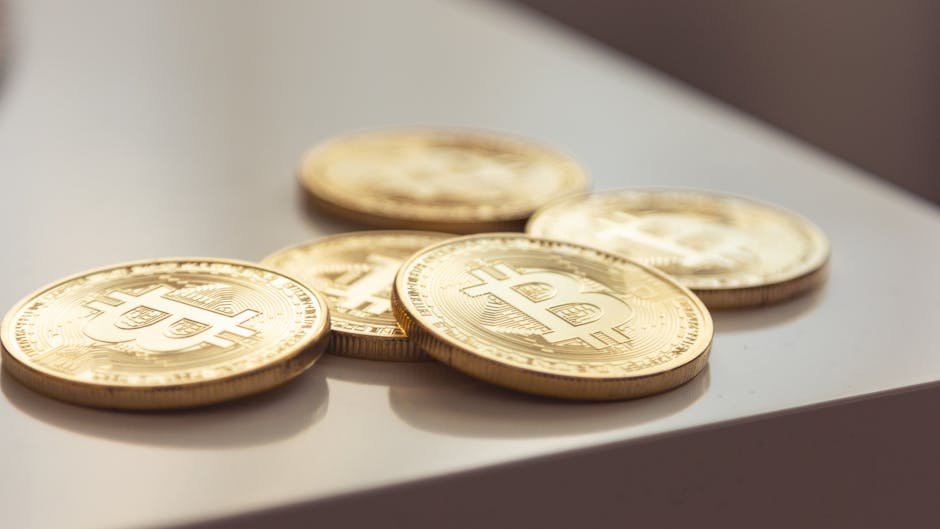
- External Wallet Requirement: You need an external crypto wallet separate from the casino platform. This could be a mobile wallet app or hardware device.
- Exchange as Middleman: Most players buy crypto on exchanges that require identity verification (KYC), charge trading fees, and impose withdrawal fees when moving crypto out to a casino wallet.
- Network Confirmations: Deposits must be confirmed on the blockchain, taking anywhere from a few minutes to over an hour, depending on network congestion and fees paid.
- Withdrawals: The casino sends crypto back to your wallet. From there, if you want pounds again, you must go through an exchange withdrawal, paying fees and awaiting conversion.
2. Wallet Responsibility and Private Key Risks
A critical practical difference is that with fiat casinos, the platform handles nearly all the payment processing, including safekeeping your funds until withdrawal. Banks and regulated payment systems absorb much risk and fraud mitigation.
By contrast, crypto casino players are ultimately responsible for their own funds’ security:
- Private Keys: Your wallet’s private key is the sole access to your crypto holdings. Lose it, and your funds vanish forever.
- Self-Custody Risk: Unlike fiat accounts insured or protected by banks regulated by the Bank of England or similar, crypto wallets have no recourse if hacked or compromised.
- Wallet Management Complexity: Users must understand backup procedures, phishing risks, and safe storage practices.
This shift in responsibility is often glossed over in marketing materials. What happens if you lose your private key or send crypto to the wrong address? Unlike a fiat bank transfer, there is rarely any customer support or refund mechanism.
3. Fees, Congestion, and Confirmation Times
Aspect Fiat Casino (MrQ) Crypto Casino Deposit Fees Usually free or low fees (card/debit) paid by casino Exchange fees for buying crypto (0.1%-1%), possible network fees Withdrawal Fees Sometimes small fixed fees or free; bank transfer times vary Miners’ fees for each blockchain transfer; exchange withdrawal fees if converting to fiat Transaction Time Minutes to hours (varies by payment method) From minutes to over an hour depending on congestion and fees paid to miners Volatility Impact Minimal on GBP payments High volatility unless stablecoins are used; affects amount receivedNetwork congestion on blockchain is a frequent source of delay. For example, Bitcoin or Ethereum’s high volume periods result in longer confirmation times and higher fees—sometimes exceeding the amount transferred on small deposits.
You know what's funny? fiat systems leverage mature clearinghouses and banking networks, often with transparent expected pounds casino balance timeframes and consumer protections. The Bank of England oversees deposit regulations and dispute resolution mechanisms that add layers of security.
4. Volatility vs Stability: Pounds, Bitcoin, and Stablecoins
One of the most overlooked but crucial differences comes down to currency stability. I remember a project where made a mistake that cost them thousands.. When depositing or withdrawing in pounds (GBP) at a fiat casino, you’re dealing with a government-backed currency with relatively low day-to-day volatility. This creates stable expectations for players:
- If you deposit £100, you get £100 value in your casino account.
- Withdrawals return the same £100 (minus fees), barring exchange rate shifts with foreign cards.
With crypto casinos accepting Bitcoin or Ethereum, the picture looks different:
- Crypto prices fluctuate rapidly. If you deposit 0.01 BTC worth £200 today, by the time you want to withdraw, that 0.01 BTC could be £180 or £220.
- This volatility introduces risk to the player, especially during short gambling sessions.
- Some crypto casinos try to mitigate this by accepting stablecoins like USDT or USDC, cryptocurrencies pegged 1:1 to the US Dollar, reducing volatility but adding complexity.
For players concerned about stable value and budgeting, fiat casinos like MrQ offer a familiar and predictable experience. Those attracted to crypto casinos should carefully consider whether they are comfortable with the risk or prefer stablecoins—and understand how these currency movements affect their bankroll.
Summary: What Changes for Players?
To quickly recap the main shifts when moving from a fiat online casino to a crypto casino:
- Payment Flow: Instead of depositing pounds directly, you convert fiat to crypto on an exchange, then transfer crypto to the casino—more steps and potential fees.
- Wallet Responsibility: You control your crypto wallet’s private keys, increasing security risk compared to relying on regulated banks and payment processors.
- Cost and Speed: Crypto transactions can be delayed or costly depending on blockchain congestion and miners’ fees, unlike generally smoother fiat transfers.
- Volatility Risk: Betting with cryptocurrencies means exposure to price swings unless using stablecoins; fiat deposits are inherently stable in value.
None of these changes are inherently "better" or "worse." They represent trade-offs for players who want something different from traditional casinos. Crypto casinos appeal to those valuing self-custody and decentralization despite complexity and risk. Fiat casinos remain accessible, regulated, and stable, a combination ideal for most casual players today.
Final Thoughts and Resources
Before you jump into either option, consider what payment experience fits your comfort level. The experienced teams at sites like MrQ make fiat deposits straightforward and low-risk. Meanwhile, crypto fans should thoroughly understand private key management and fees when using external wallets and exchanges.
For a deeper dive on the evolution of online payments and crypto’s real impact, check out our detailed guides at DimensionsPoint.com.
And remember, whether you choose fiat or crypto, always gamble responsibly, knowing that payment speed and anonymity claims don’t guarantee a safe or fair experience.